Introduction: Why Visit Beijing?
Beijing, the ancient capital of China, is a city that blends the depths of civilizational history with the glitter of rapid modernity. It is an exceptional tourist destination that deserves to top the list of every traveler seeking a truly unique experience. From towering fortress walls to tranquil gardens, and from bustling popular markets to upscale restaurants, Beijing offers visitors an unparalleled mix of pleasure, knowledge, and culture. In this article, we will take you on a comprehensive tour of the most prominent tourist attractions in Beijing, along with practical tips to help you organize your trip perfectly.
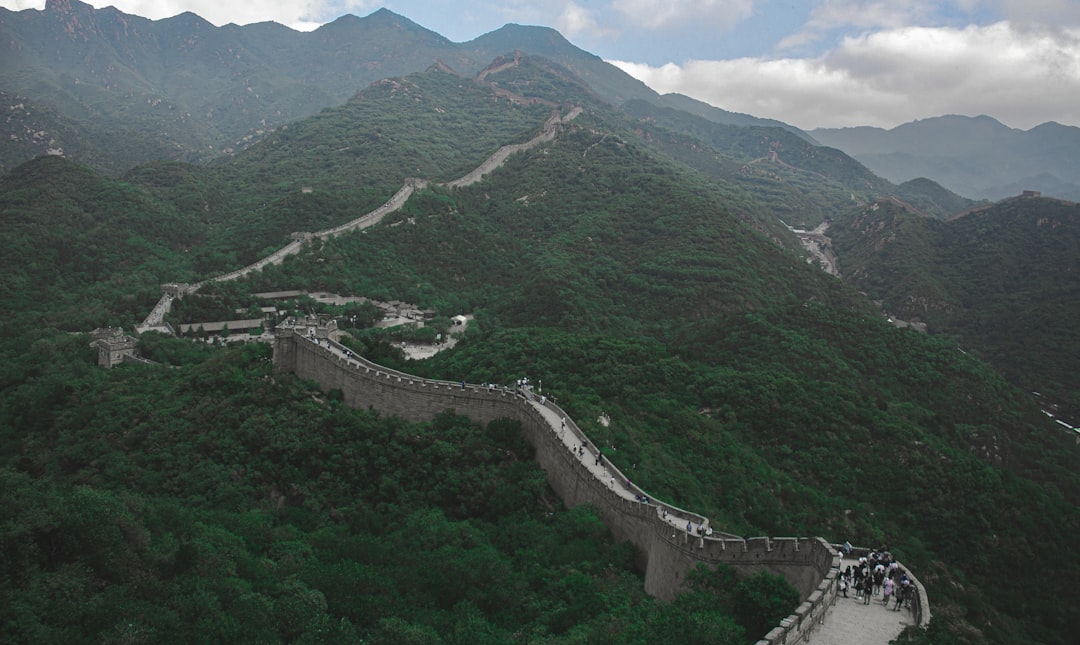
The Great Wall of China: An Icon of Human Civilization
No discussion of tourist attractions in Beijing can begin without mentioning the Seventh Wonder of the World — the Great Wall of China. This legendary wall stretches thousands of kilometers across rugged terrain and towering mountains, and was built more than two thousand years ago to protect the Chinese Empire from invaders. The closest section of the Wall to Beijing is the Badaling section, which is the most visited and best maintained, although the Mutianyu section is the preferred choice for those seeking a less crowded atmosphere and more stunning natural scenery. It is recommended to visit early in the morning to enjoy the sunrise view from atop the walls — a sight you will never forget for the rest of your life. Remember to wear comfortable shoes, as walking on the Wall requires considerable physical effort.

The Forbidden City: Heart of the Chinese Empire
At the heart of Beijing lies the Forbidden City, also known as the ‘Gugong,’ the largest palace complex in the world and one of the greatest tourist attractions in Beijing and on Earth as a whole. The Forbidden City spans an area of more than 72 hectares and contains over 980 historic buildings. This city housed the imperial family for more than five centuries, from 1420 until 1912. Today, it has been transformed into a national museum that receives millions of visitors annually. Inside, you will find grand reception halls, ponds with turtles and rare birds, and priceless artistic and antique collections. It is advisable to dedicate a full day to exploring this colossal monument, and to use a tour guide or audio application to understand the depth of history hidden in every corner.
Tiananmen Square: A Symbol of Modern China
Tiananmen Square is located directly in front of the gate of the Forbidden City, and is one of the largest public squares in the world. The square can accommodate more than one million people, and is surrounded by imposing government buildings, the National History Museum, and the Chinese Parliament. Early in the morning, a spectacular ceremonial flag-raising ceremony takes place that is attended by thousands of visitors daily. The square is an indispensable destination for anyone who wants to feel the pulse of the Chinese national spirit and understand the country’s contemporary political history.
Haidian Park and Yuanmingyuan: A Refuge for the Soul
Away from the hustle and bustle of the city, Beijing is dotted with magnificent parks and gardens well worth a visit. Beihai Park, one of the oldest imperial gardens, embraces a clear lake and a central island topped by a beautiful temple. Meanwhile, Yuanmingyuan Park, known as the ‘Old Summer Palace,’ presents a moving scene of historic ruins that embody a painful chapter in China’s history during the nineteenth century. Do not miss a visit to Tiantan Park, home to the famous Temple of Heaven — an architectural masterpiece inscribed on the UNESCO World Heritage List and considered one of the finest examples of classical Chinese religious architecture.
The Hutong District: The Authentic Soul of Beijing
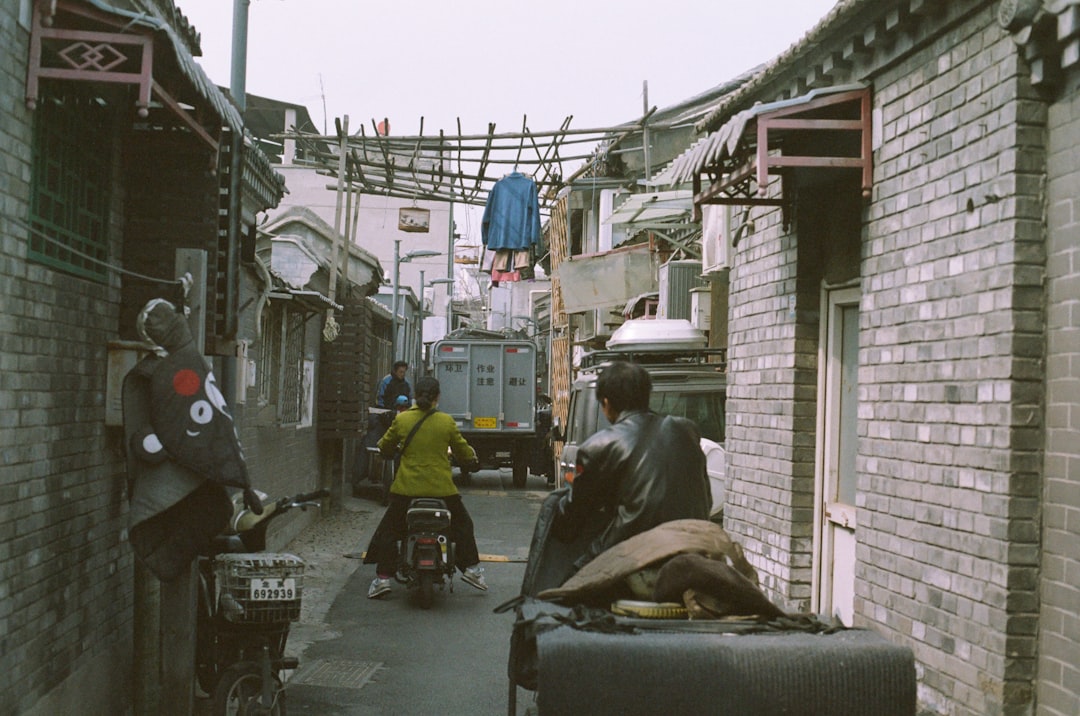
If you want to experience the real Beijing away from glittering tourist facades, head to the Hutong neighborhoods. These historic narrow alleyways, interwoven like a labyrinthine network in the heart of the old city, conceal traditional Chinese houses known as ‘Siheyuan,’ small artisan workshops, and popular restaurants serving the most delicious authentic Chinese dishes. We recommend renting a bicycle to explore these neighborhoods, as many of their alleyways are too narrow for cars. In the Hutong neighborhoods you will find many stylish cafés, art shops, and restaurants offering a blend of the traditional and the contemporary.
The Summer Palace Museum: An Empire of Water and Beauty
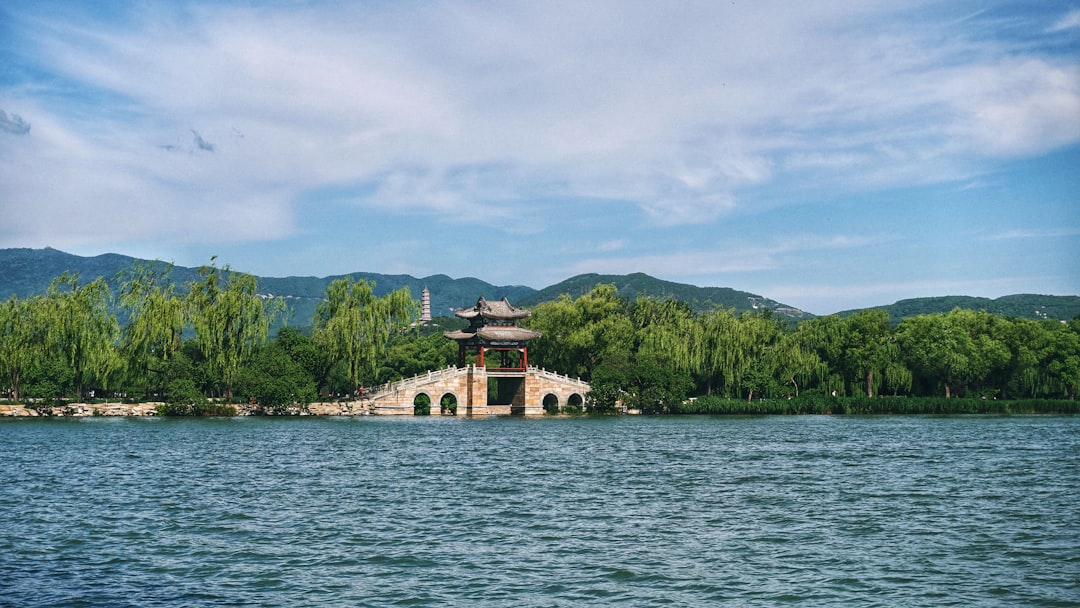
The Summer Palace, or ‘Yiheyuan,’ is considered one of the most prominent and most romantic and beautiful tourist attractions in Beijing. This imperial complex extends over a vast area, with the artificial Kunming Lake occupying approximately three-quarters of it. The palace was originally built in the eighteenth century to serve as a summer retreat for Empress Dowager Cixi. You can stroll along its long roofed corridors decorated with traditional paintings, rent a boat to row on the lake, or climb Longevity Hill to enjoy a breathtaking panoramic view of the entire complex and Beijing on the distant horizon.
Panjiayuan Market and Wangfujing Street: A Shopping Paradise
For shopping enthusiasts and those in search of antiques and collectibles, Panjiayuan Market is an irreplaceable destination. The market contains hundreds of shops selling authentic Chinese antiques, including porcelain, precious stones, manuscripts, artwork, and vintage jewelry. Wangfujing Street, on the other hand, is Beijing’s most famous and vibrant shopping street, where major department stores and international brands stand side by side with restaurants, confectionery shops, and popular markets. An evening stroll along this street while sampling traditional snacks from the stalls lining both sides is an unforgettable experience.
Beijing’s Chinese Cuisine: A Delicious Sensory Adventure
No visit to any city is complete without delving into its local cuisine, and Beijing in particular is a city with a rich and diverse culinary tradition. At the top of the must-taste list is Peking duck — ‘Beijing Duck’ — a world-famous dish served in the city’s distinguished specialty restaurants. Do not miss trying Chinese dumplings ‘Jiaozi,’ handmade noodles, spicy dishes originating from Sichuan regional cuisine, as well as the popular street snacks found in night markets such as Donghuamen Night Market. Eating in Beijing is a cultural experience par excellence that reflects China’s diversity and gastronomic wealth.
Practical Tips for Visiting Beijing
Before you set off for Beijing, there are some practical tips that will make your trip smoother and more enjoyable. First, an entry visa is required for most Arab nationalities, so make sure to submit your application well in advance of your travel date. Second, public transportation in Beijing is among the most efficient and affordable in the world, so use the subway confidently to get between tourist attractions. Third, download the WeChat or Alipay app before your arrival, as electronic payment is the norm in China today. Fourth, do not forget to use a VPN to access social media platforms and your usual search engines, as they are blocked within China. Fifth, learn a few basic Chinese phrases or carry translated cards, as English is not widely spoken outside major tourist areas.
In Conclusion
Beijing is a city that encapsulates thousands of years of human civilization within its neighborhoods, streets, and landmarks, while at the same time looking toward a promising and ambitious future. The tourist attractions in Beijing are so varied and numerous that you will need more than one visit to explore them all. Whether you are interested in history, art, nature, shopping, or food, you will find in Beijing whatever satisfies your passion and nourishes your curiosity. Do not hesitate to plan your trip to this exceptional city — it is an experience that will change your perspective on the world and grant you memories beyond price.
FAQ
What are the top tourist attractions in Beijing that should not be missed?
The top tourist attractions in Beijing are the Great Wall of China, the Forbidden City, Tiananmen Square, the Summer Palace, the Temple of Heaven, and the historic Hutong neighborhoods. These landmarks represent the essence of Chinese civilization and its ancient history.
How many days are enough to visit the most important tourist sites in Beijing?
It is recommended to allocate between five and seven days to comfortably explore the most prominent tourist attractions in Beijing. A minimum of three days can cover the most important major landmarks such as the Great Wall of China, the Forbidden City, and the Summer Palace.
What is the best time to visit tourist attractions in Beijing?
The best time to visit Beijing is during spring between April and May, or during autumn between September and October. During these two periods, the weather is mild and ideal for outdoor sightseeing and exploring tourist attractions.
How can you get around between tourist attractions in Beijing?
Most tourists rely on the subway, which is the most efficient and least expensive mode of transportation in Beijing. Taxis and ride-hailing apps such as DiDi can also be used. For exploring the Hutong neighborhoods, renting a bicycle is highly recommended.
Do you need a visa to visit Beijing and its tourist attractions?
Yes, most holders of Arab nationalities need an entry visa to China. The visa application must be submitted well in advance of travel, typically between two weeks and one month beforehand. Visa exemptions for short periods are also available for some nationalities under the transit-free policy.
- أماكن سياحية في بكين: دليلك الشامل لاكتشاف عاصمة التنين
- Лос-Анджелес: полный путеводитель по главным достопримечательностям и впечатлениям
- Los Angeles’taki Turistik Yerler: Öne Çıkan Yerler ve Deneyimler İçin Kapsamlı Rehberiniz
- Lieux Touristiques à Los Angeles : Le Guide Complet des Principaux Monuments et Expériences