Introduction: Why Is Tunisia an Unforgettable Tourist Destination?
Tunisia is an enchanting country that combines within its embrace a rich history spanning thousands of years and stunning natural diversity ranging from golden beaches to the great Sahara Desert and green mountains. Located in the heart of North Africa on the shores of the Mediterranean Sea, it is considered one of the most attractive tourist destinations for both Arab and foreign visitors alike. If you are looking for tourist attractions in Tunisia, you are in for an exceptional journey combining the splendor of Carthaginian and Islamic civilization with breathtaking natural landmarks. In this comprehensive guide, we will take you on a detailed tour of the most prominent landmarks and destinations you must visit in Tunisia.
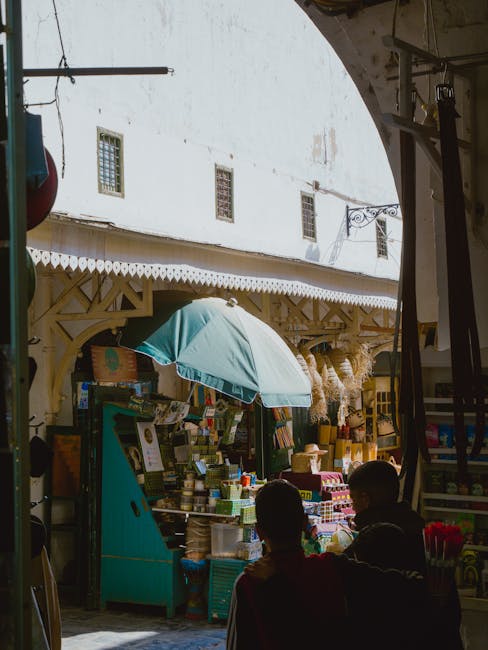
Tunis, the Capital: Heart of Civilization and History
You cannot talk about tourist attractions in Tunisia without starting with the capital, Tunis, which hosts priceless historical and cultural treasures. Topping the list of its landmarks is the Medina, also known as the ‘Old City,’ which is listed on the UNESCO World Heritage List. The Medina is distinguished by its narrow alleys, historic buildings, and traditional markets filled with the fragrance of jasmine and spices. The Zitouna Mosque is the crown jewel of the Medina and is considered one of the most ancient mosques in the Islamic world, with its founding dating back to the eighth century AD. Do not miss a visit to the Bardo National Museum, which houses the largest collection of Roman mosaics in the world and is considered one of the most prominent museums on the entire African continent.
Carthage: An Immortal Phoenician Civilization
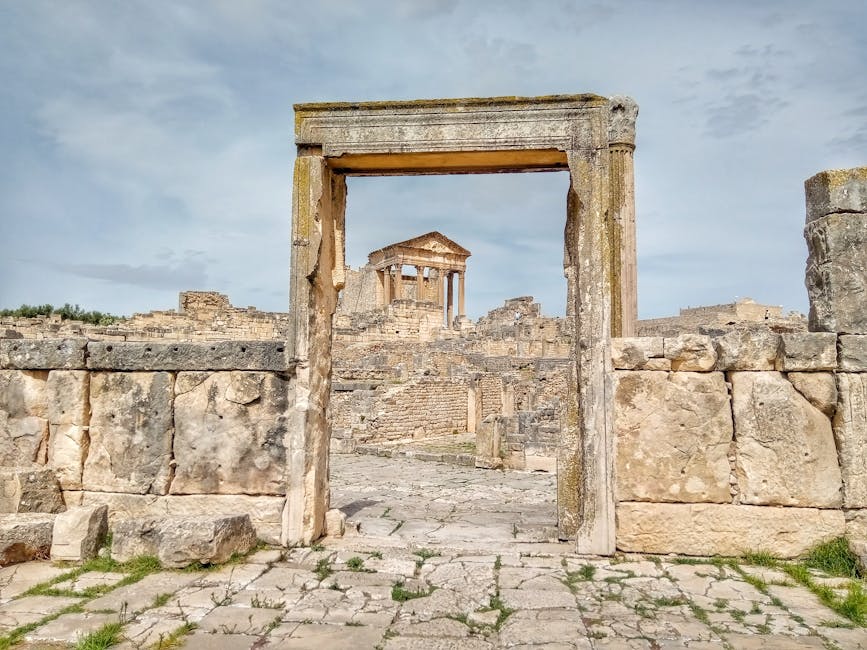
Just a few miles from the capital lies the legendary city of Carthage, which was once the capital of a vast Carthaginian empire that rivaled Rome for control of the ancient world. The ruins of Carthage today speak of a glorious past, and among its most prominent landmarks is the great Roman Theater, which still hosts cultural events and music festivals to this day. The Antonine Baths are among the most massive Roman baths in the ancient world, giving you a clear idea of the level of luxury the Romans enjoyed. The Tophet site, also known as the ‘Children’s Playground,’ carries deep historical significance dating back to Phoenician civilization. It is recommended to head directly to the hill of Byrsa, where you can enjoy a magnificent panoramic view of the Gulf of Tunis and the remains of the great Carthaginian civilization.
Sidi Bou Said: The Blue and White Village
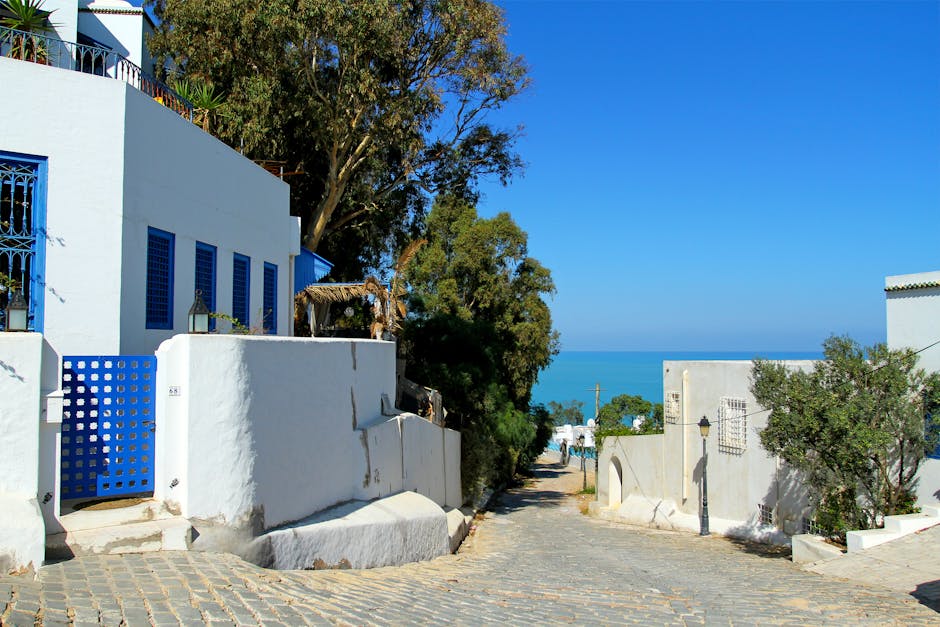
Among the most famous and attractive tourist places in Tunisia, the village of Sidi Bou Said stands out with its blue and white colors that remind you of Mediterranean islands. This charming village is located atop a hill overlooking the Gulf of Tunis and has historically attracted many European artists, writers, and intellectuals who found in it a haven for creativity. The streets paved with white stones, the blue doors adorned with brass studs, and the flowers hanging from windows all make Sidi Bou Said a living work of art. Do not forget to sit in one of the traditional cafes and enjoy a cup of pine nut tea while contemplating the blue horizon of the sea. Walking through the alleys of this village at sunset hours is considered one of the most magical tourist experiences in all of Tunisia.
Hammamet: Queen of Coastal Resorts
If you are a fan of beaches and luxury resorts, then Hammamet is your ideal destination. Located on the beautiful gulf coast about 65 kilometers south of the capital, it is distinguished by its white sandy beaches and crystal-clear turquoise waters. The Yasmine Hammamet area is considered one of the largest tourist complexes in the Mediterranean region, housing dozens of hotels ranging from luxury to budget-friendly. The old city of Hammamet, known as ‘La Medina,’ is located within historic walls and contains a wonderful traditional market for shopping and strolling. Hammamet Golf is internationally renowned and attracts professionals and golf enthusiasts from around the world.
Sfax and Southern Tunisia: Hidden Treasures
Sfax, Tunisia’s second largest city, has a medina that is less crowded than that of Tunis but no less beautiful or authentic. The traditional crafts and handmade products in Sfax reflect the deep cultural heritage of the region. The nearby Kerkennah Islands offer a peaceful maritime experience far from the noise of mass tourism. In southern Tunisia, the city of Tataouine awaits you, famous for its grain storage structures known as ‘ghorfas,’ which were used as filming locations for the famous Star Wars film series. Tozeur and Gafsa, the gateways to the Sahara Desert, will astonish you with their green oases that emerge amid golden sands.
Douz and the Desert of Deserts: An Out-of-This-World Experience
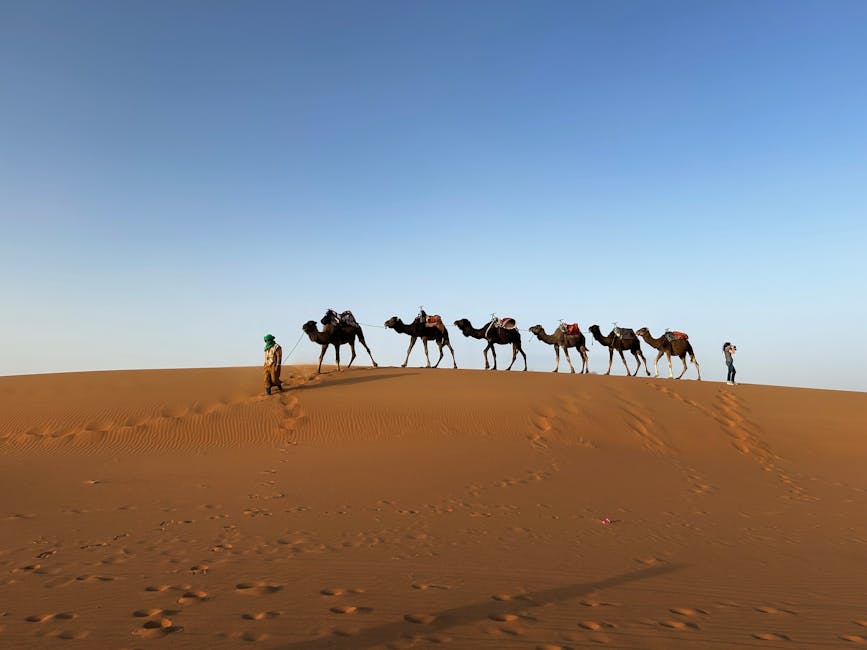
Your tourist journey in Tunisia would not be complete without visiting the Sahara Desert through the gateway of the city of Douz, nicknamed the ‘Gateway to the Desert.’ Riding camels over golden sand dunes, spending the night in desert tents under a star-studded sky, and witnessing the sunrise over the endless sea of sand are all experiences unlike anything you have ever lived before. The International Sahara Festival held annually in Douz attracts thousands of visitors from around the world to enjoy authentic Bedouin culture. Chott el-Jerid, the largest salt lake in the world, provides a surreal visual spectacle, especially in the evening when its surface transforms into a mirror reflecting the colors of the sky.
Kairouan: The Holy City and Islamic Heritage
Kairouan is considered one of the holiest cities in the Islamic world and holds the fourth position in sanctity after Mecca, Medina, and Jerusalem according to some historical accounts. The Mosque of Uqba ibn Nafi, or the Great Mosque of Kairouan, is considered the oldest mosque in Africa and an exceptional Islamic architectural masterpiece. The Aghlabid Basins, built in the ninth century AD to store water, still stand today as a testament to the genius of Islamic engineering. The Medina of Kairouan is listed on the UNESCO World Heritage List and houses skilled craftsmen who preserve the traditions of the famous handwoven carpet industry. Visiting Kairouan is a profound spiritual and cultural experience that no visitor to Tunisia should miss.
Practical Tips for Enjoying Tourist Attractions in Tunisia
To get the best tourist experience in Tunisia, here are some important practical tips. The best season to visit is spring between March and May and autumn between September and November, when the weather is mild and suitable for sightseeing. Make sure to wear modest clothing when visiting mosques and religious landmarks. You can travel between cities using the railway network and buses at very reasonable prices. The local currency is the Tunisian Dinar, and it is recommended to exchange some cash before your arrival or from authorized banks and exchange offices. Learning a few basic words in Tunisian dialect will bring you closer to the hearts of Tunisians, who are known for their generosity and warm welcome to visitors. Negotiate prices in traditional markets, as this is an authentic part of the enjoyable Tunisian shopping experience.
FAQ
What are the best tourist attractions in Tunisia that must be visited?
The most prominent tourist attractions in Tunisia include the Medina of the capital Tunis, the historic ruins of Carthage, the charming village of Sidi Bou Said, the coastal resorts of Hammamet, the ancient Islamic city of Kairouan, and the Douz desert in southern Tunisia.
What is the best time to visit tourist attractions in Tunisia?
The best time to visit Tunisia is during spring and autumn, that is between March and May and between September and November, when the weather is mild and suitable for sightseeing and visiting landmarks in complete comfort.
How much does a tourist trip to Tunisia cost?
The cost of a trip to Tunisia varies depending on budget and preferences, but it is generally considered an economical and affordable destination. A traveler with a moderate budget can enjoy a week-long trip including accommodation, transportation, and tourist visits at reasonable costs compared to other destinations.
Do Arab tourists need a visa to visit Tunisia?
Citizens of most Arab countries do not need a prior visa to enter Tunisia, as a valid passport is sufficient for entry and stay for a specified period. It is recommended to check the specific entry requirements for your nationality before traveling.
What are the most famous foods that must be tried in Tunisia?
Tunisia is rich in a delicious and diverse cuisine. Among its most famous dishes are: couscous with vegetables or meat, shakshuka, brik with egg and tuna, harissa as a distinctive hot sauce, lablabi chickpea soup, and various grilled dishes with fresh fish especially in coastal areas.