Madrid, Spain’s enchanting capital, is a city that blends authenticity with modernity, art with history, and vibrant nightlife with storied museums. If you’re planning to visit this magnificent city and have only three days, you’ve come to the right place. In this comprehensive guide, we’ll take you on a detailed journey through the most beautiful landmarks and tourist attractions in Madrid, with practical tips to make the most of your limited time in this wonderful city.
Day One in Madrid: The Historic Heart of the City
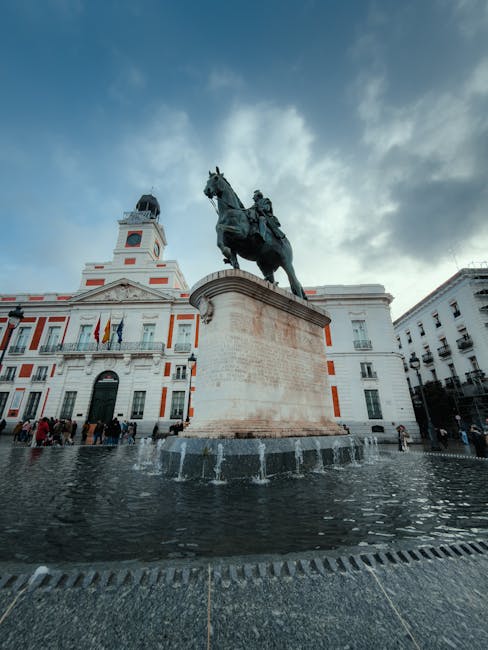
Start your first day with a cup of authentic Spanish coffee at one of the cafés surrounding Puerta del Sol, the famous central square considered the beating heart of Madrid. This iconic square is the perfect launching point for exploring the city, where all the main metro lines converge and the grand boulevards radiate outward.
From Puerta del Sol, walk to Plaza Mayor, one of the most beautiful squares in Europe. This square is distinguished by its magnificent Baroque architecture and its ninety-eight columns, surrounded by historic buildings dating back to the seventeenth century. Set aside about an hour to stroll through it and take photos with its statues and street performers.
Next, head to the Royal Palace of Madrid, or Palacio Real, the largest royal palace in Western Europe by floor area. The palace contains more than three thousand rooms, though only a portion are open to the public. You can visit the lavishly decorated state rooms adorned with art and rare antiques, as well as the Royal Pharmacy and Royal Armory museums. Don’t forget to stop in front of the beautiful Sabatini Gardens surrounding the palace to enjoy the breathtaking panoramic view.
In the evening, head to the historic La Latina neighborhood, which embodies the spirit of old Madrid. Wander through its narrow cobblestone alleys and enjoy the atmosphere of authentic restaurants and cafés. Try the famous Cocido Madrileño, a traditional Spanish stew made with chickpeas, meats, and vegetables, or sample the varied tapas that Madrid is renowned for.
Day Two: A Journey Through Art and Culture
The second day is dedicated to art and culture lovers. Your journey begins with one of the world’s greatest museums, the Prado Museum or Museo del Prado. This exceptional museum houses an unrivaled collection of European paintings, particularly Spanish works, including masterpieces by Velázquez, Goya, Titian, and Rubens. Set aside at least three to four hours to wander its magnificent halls, and don’t miss Velázquez’s famous painting Las Meninas, considered one of the greatest works in the history of Western art.
After lunch at one of the restaurants near the museum, head to the nearby Reina Sofía Museum, which houses the greatest works of modern and contemporary Spanish art. The highlight here is Picasso’s famous Guernica, the masterpiece depicting the horrors of the Spanish Civil War in a stunning Cubist style. This museum is considered one of the most important modern art destinations in the world.
In the evening, choose to stroll through the upscale Salamanca neighborhood, where luxury brand boutiques stand side by side with elegant restaurants. This neighborhood is the favorite destination for shoppers and those seeking a fine dining experience in Madrid.
Day Three: Gardens, Parks, and Shopping
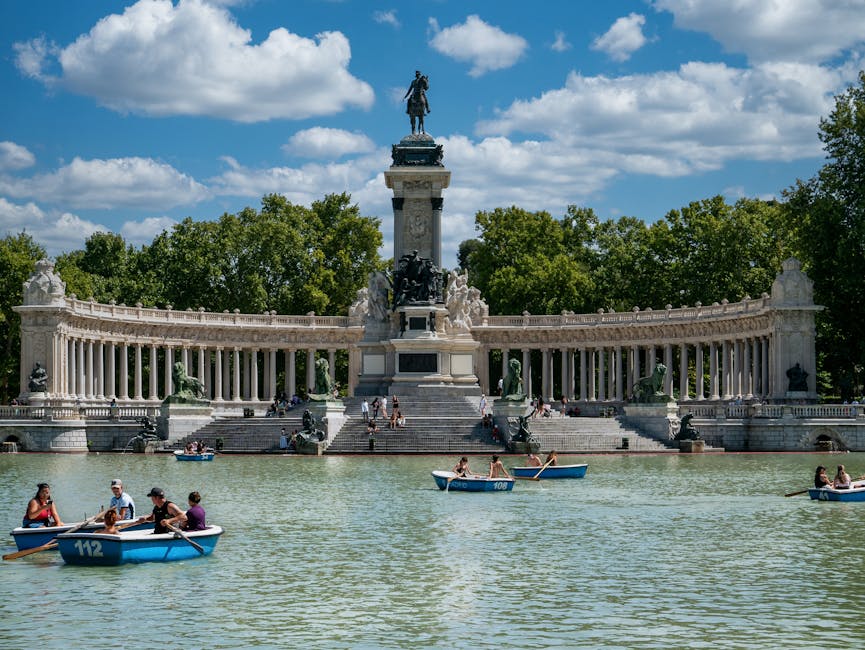
On your last day in Madrid, begin your morning with a visit to the expansive Retiro Park, considered Madrid’s green lung and a refuge for its residents from the city’s hustle and bustle. This beautiful park stretches over an area of more than 1.2 million square meters and features a wonderful lake where you can rent rowing boats and relax amid nature. Don’t miss the famous Fallen Angel monument and the Crystal Palace, which hosts various art exhibitions.
After lunch, head to the Thyssen-Bornemisza Museum, located near the Prado Museum, to complete Madrid’s golden triangle of museums. This museum stands out for its diverse collection of European art spanning eight centuries of artistic history, from old Flemish paintings to Impressionist and modern Expressionist works.
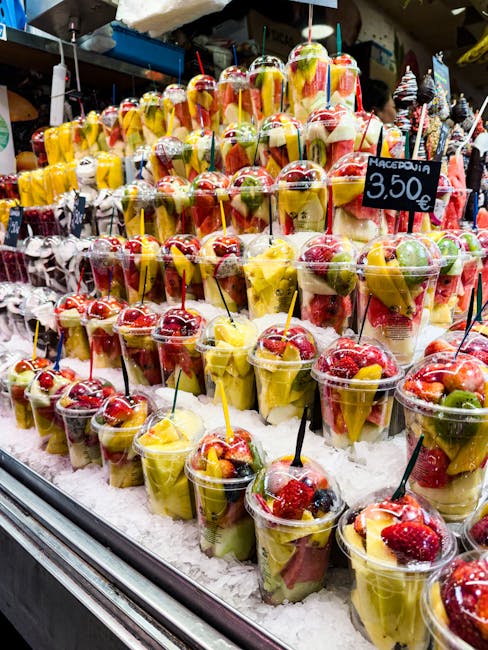
Before heading home, you cannot leave Madrid without visiting the famous Mercado de San Miguel, one of the most beautiful food markets in Europe. This market is housed in a historic iron building dating back to the early twentieth century and contains dozens of stalls offering all kinds of authentic Spanish food, from Iberian jamón and local cheeses to fresh seafood and traditional sweets.
Practical Tips for Getting Around Madrid
Madrid’s metro is considered one of the best public transportation systems in Europe and is your ideal means of getting between the city’s various attractions. You can purchase a tourist travel card that allows you unlimited trips for one or several days at a very reasonable price. You can also take advantage of bicycle-sharing apps to travel between nearby points and enjoy the fresh air.
As for accommodation, Madrid offers a wide variety of options to suit all budgets, from luxury hotels in the city center to comfortable tourist apartments and budget hostels. It is advisable to choose accommodation close to the city center or main metro stations to save time and effort when getting around.
Best Time to Visit Madrid and Trip Costs
Spring and autumn are the ideal times to visit Madrid, when temperatures are moderate and suitable for outdoor exploration, with tourism reaching its pleasant peak in April, May, October, and November. Summer temperatures can exceed 40 degrees Celsius, which can make walking the streets quite exhausting.
As for the cost of traveling to Madrid, it depends greatly on the timing of travel and booking method. Accommodation costs in mid-range hotels range between 60 and 120 euros per night, while comfortable budget hotels can be found starting from 40 euros. Daily food expenses can be managed at around 30 to 50 euros per day if you combine mid-range restaurants with tapas at local bars.
In conclusion, Madrid is a city that never sleeps and never bores, a city that reveals a new face of its charm to you every day. Three days may not be enough to explore everything this magnificent city has to offer, but they will certainly make you fall in love with it and long to return again and again.
FAQ
Are three days enough to visit Madrid?
Three days are enough to visit the most prominent tourist landmarks in Madrid, such as the Prado Museum, the Royal Palace, Retiro Park, and Plaza Mayor. However, the city is very rich and deserves more time to explore its diverse neighborhoods and vibrant culture.
What is the best time to visit Madrid?
The best time to visit Madrid is during spring and autumn, specifically the months of April, May, October, and November, when temperatures are moderate and suitable for sightseeing. It is advisable to avoid summer due to the intense heat, which can exceed 40 degrees Celsius.
How much does a 3-day trip to Madrid cost?
The cost of a 3-day trip to Madrid generally ranges between 400 and 800 euros per person, including accommodation, food, transportation, and museum entry fees, depending on the hotel standard and spending habits. Costs can be reduced by choosing budget hotels and eating at local restaurants.
How can you get around Madrid easily?
Madrid’s metro is the ideal means of getting around the city, with a wide, modern, and easy-to-use network. Daily or multi-day travel cards can be purchased at reasonable prices. Public bus services, bike-sharing, and the metro are also available for short distances.
What are the most important areas to visit in Madrid?
The most important areas in Madrid include: Puerta del Sol and Plaza Mayor in the historic center, the La Latina neighborhood for authentic local life, the Salamanca neighborhood for upscale shopping, the Malasaña neighborhood and Fuencarral Street for restaurants and nightlife, and the golden triangle of museums comprising the Prado, Reina Sofía, and Thyssen.