Introduction: Why Choose Vienna as Your Next Destination?
Vienna, the enchanting capital of Austria, is a city that blends deep historical authenticity with contemporary modernity in a remarkably harmonious way. Vienna is considered one of Europe’s most elegant and beautiful cities, brimming with magnificent palaces, stunning museums, breathtaking gardens, and fine dining restaurants. If you’re planning to visit this exceptional city, a three-day itinerary is the ideal choice for discovering its most prominent landmarks and immersing yourself in its unique atmosphere. In this comprehensive guide, we’ll take you on a detailed journey through the finest that Vienna has to offer over three days filled with discovery, enjoyment, and unforgettable memories.
Day One: The Historic Heart of Vienna
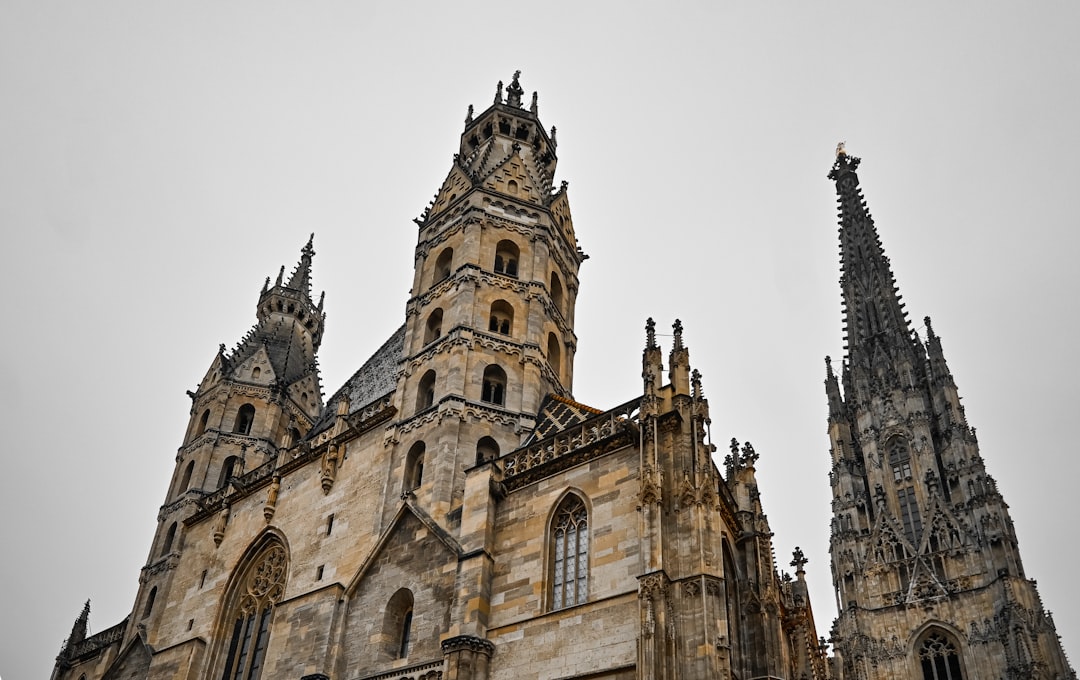
Begin your first day by heading to the historic city center, which is listed as a UNESCO World Heritage Site. Your first stop will be St. Stephen’s Cathedral, known as Stephansdom — the iconic Gothic architectural masterpiece that is Vienna’s most recognizable symbol. Climb its South Tower to enjoy a breathtaking panoramic view of the entire city. Afterward, stroll along the famous Graben street, one of Europe’s most elegant and beautiful shopping streets, where you’ll notice the remarkable Baroque Plague Column standing at its center as a testament to the city’s rich history.
At midday, make your way to Hofburg Palace, the former imperial residence of the Austrian ruling dynasty, which today houses several museums — most notably the Sisi Museum dedicated to Empress Elisabeth. Set aside at least two hours to explore this great historical monument. In the evening, be sure to attend a musical performance at one of Vienna’s famous opera houses, foremost among them the Vienna State Opera, which is considered one of the most prestigious opera houses in the entire world.
Day Two: Imperial Palaces and Gardens
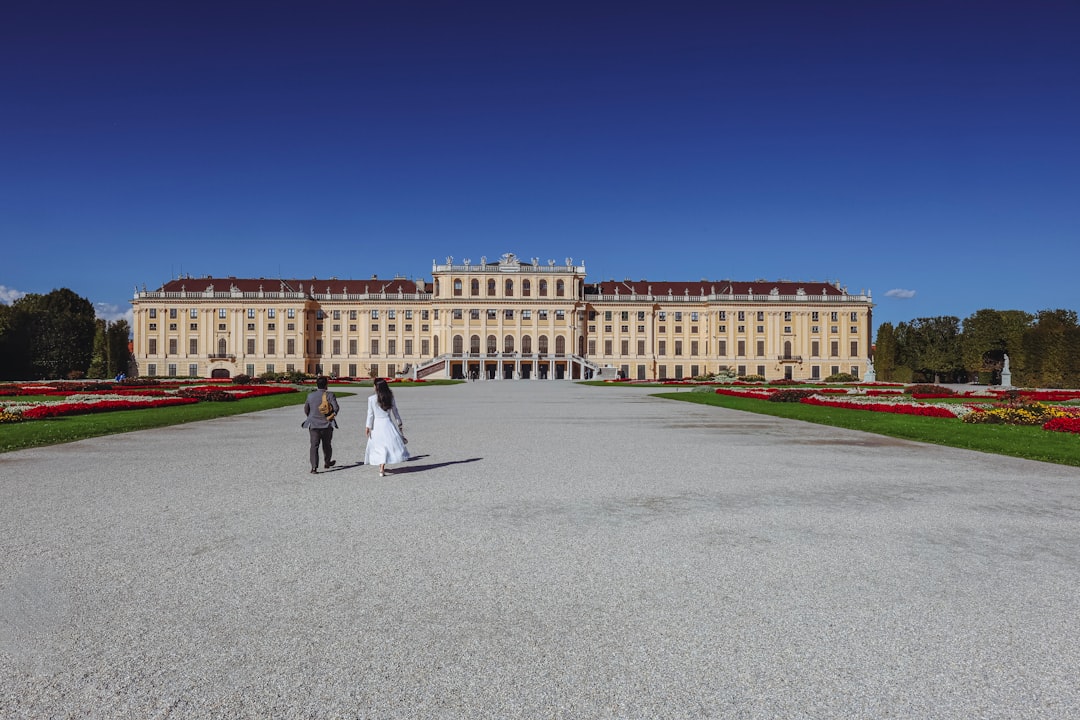
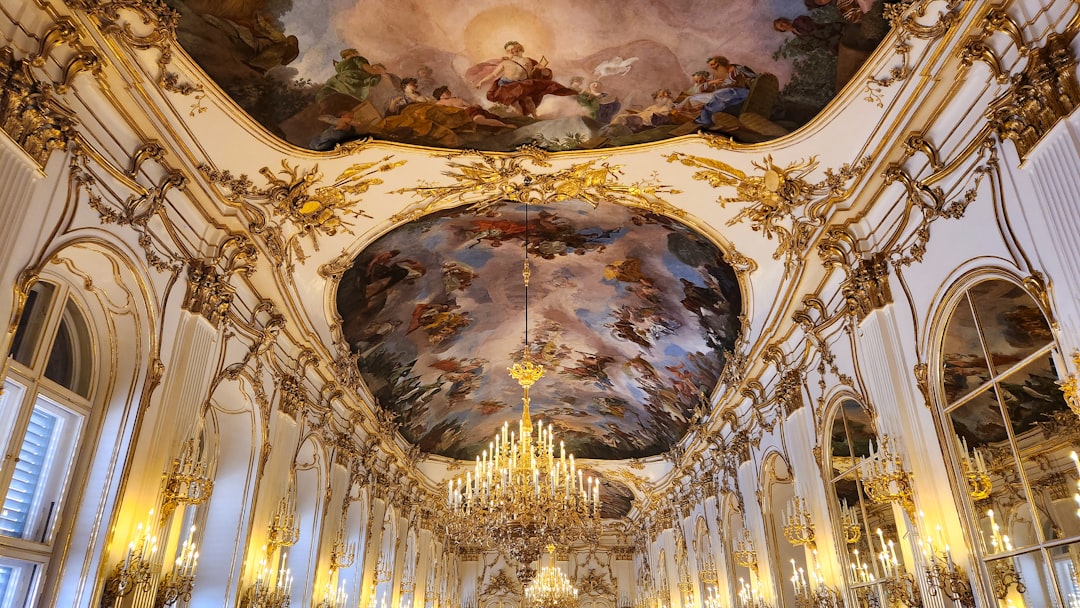
The second day deserves to be dedicated entirely to exploring Schönbrunn Palace, the crown jewel of Vienna’s tourist attractions. This Baroque palace dating back to the eighteenth century contains more than 1,400 rooms, and various tours are available ranging from visiting 26 rooms to 40 rooms depending on your available time. Don’t forget to stroll through the expansive Schönbrunn Gardens and climb up to the Gloriette for the most magnificent view of the city from above. In the afternoon, move on to the Kunsthistorisches Museum (Museum of Art History), which houses one of the world’s richest art collections, including paintings by great masters such as Raphael, Vermeer, and Bruegel. In the evening, head to the vibrant Naschmarkt district to savor authentic traditional Austrian cuisine in a warm and distinctive atmosphere.
Day Three: Museums and Modern Districts
A third day full of art and culture awaits you at MuseumsQuartier, one of the largest cultural complexes in the world. Here you’ll find the Leopold Museum, which houses works by Egon Schiele and Gustav Klimt, as well as the mumok (Museum of Modern Art Vienna). After a light lunch at one of the art cafés scattered throughout the district, head to Belvedere Palace, which is home to Austria’s most famous painting — Gustav Klimt’s The Kiss. In the afternoon, explore the Naturhistorisches Museum or wander through the old Spittelberg neighborhood with its artisan shops and authentic cafés. Conclude your journey by experiencing one of Vienna’s most historic coffee houses, such as Café Central or Café Landtmann, to end your trip with a cup of the famous Austrian coffee.
Top Vienna Tourist Attractions You Must Not Miss
Beyond what we’ve mentioned in the itinerary, Vienna is teeming with countless landmarks. Among the most notable is the Danube Island, surrounded by stunning nature where you can enjoy water sports or relax on its beaches. The Donauturm (Danube Tower) is also well worth a visit, offering a 360-degree view of the city from its revolving restaurant. The Ringstrasse, Vienna’s most famous boulevard, lines both sides with the city’s most prominent architectural landmarks, including the Opera House, the Parliament, City Hall, and the Kunsthistorisches Museum. No tourist itinerary in Vienna is complete without a visit to Naschmarkt, the city’s largest and most diverse market, where you’ll find everything from fresh food and spices to artworks and antiques.
Practical Tips for a Perfect Trip to Vienna
To ensure an enjoyable and smooth trip to Vienna, here are some golden tips. First, be sure to purchase the Vienna City Card, which allows you to ride public transport freely along with discounts on museum admissions. Second, it is advisable to book museum tickets and musical performances in advance to avoid long waits, especially during peak tourist season. Third, keep in mind that most of Vienna’s major museums are closed on Mondays, so plan accordingly. Fourth, Vienna’s public transport is among the best and most efficient in Europe, so rely on it instead of cars. Fifth, German is the official language, but most Viennese speak English fluently in tourist areas. Finally, Vienna’s U-Bahn (metro) is the fastest and most reliable way to get around most of the main tourist areas.
Best Time to Visit Vienna
Vienna stands out as a remarkable tourist destination year-round, yet each season has its own charm. Spring, from April through June, is considered the ideal time to visit when the gardens bloom and temperatures are mild. Summer sees the organization of open-air music festivals that make the experience even more magical. For lovers of romantic atmospheres, winter transforms Vienna into an enchanting world of famous Christmas markets and festive decorations. Meanwhile, autumn offers breathtaking scenes of golden colors and a perfectly mild climate ideal for walking and exploration.
Budget and Approximate Trip Costs
Vienna is classified among Europe’s moderately priced cities compared to Paris or London. Flight ticket prices to Vienna from Gulf Arab countries start from approximately 1,500 to 3,000 UAE dirhams or equivalent, round trip, depending on the season and airline. As for accommodation, hotel prices in Vienna range from 80 to 300 euros per night depending on the category, with more economical options available at lower prices. A daily budget of 100 to 150 euros is sufficient to comfortably cover meals, museum tickets, and transportation within the city. Plan carefully and look for special hotel deals in advance to save considerable amounts on your accommodation costs.
FAQ
How many days are enough to visit Vienna?
Three days are sufficient to visit Vienna’s most prominent tourist landmarks, but if you want to delve into the city’s details and explore its side neighborhoods and numerous museums, five days is considered ideal for a more comprehensive and in-depth experience.
What is the best way to get around Vienna?
Vienna has an advanced public transport network comprising the metro, trams, and buses. Purchasing a Vienna City Card for multiple days is the smartest option, as it provides unlimited travel along with discounts on admission to major tourist attractions.
What is the best time to visit Vienna?
Spring, from April through June, is considered the best time to visit Vienna, as the weather is mild and the gardens are in bloom. Summer is also great for music festivals, while winter offers the magical experience of the famous Christmas markets.
Do you need a visa to enter Austria?
Citizens of Arab countries generally need a Schengen visa to enter Austria and Vienna. It is recommended to apply for the visa at least one month before your travel date, and make sure to have all required documents ready, such as hotel booking, flight ticket, and bank statement.
What are the most famous Austrian dishes to try in Vienna?
Among the most notable Austrian dishes to try in Vienna are: Wiener Schnitzel — a breaded and fried veal cutlet — the famous Sachertorte chocolate cake, Goulash soup, Apple Strudel, as well as traditional Viennese coffee in its many varieties served in the city’s historic and storied coffee houses.